A 50-spin bonus on a progressive slot can look like a shot at a life-changing meter, but the terms can quietly kick the jackpot out of the room. The reels still move, the symbols still land, and the screen still flashes the same swollen prize pool, but the promotion may have stripped away the one thing that makes that meter matter.
This is the trap. A free spin can be real gameplay, a canned demo, or a promotional token with its own rules. If you do not check which version you have, you can burn through the whole offer believing the million-rand prize is on the table when the fine print has already locked it away.
The jackpot is only live if the stake qualifies
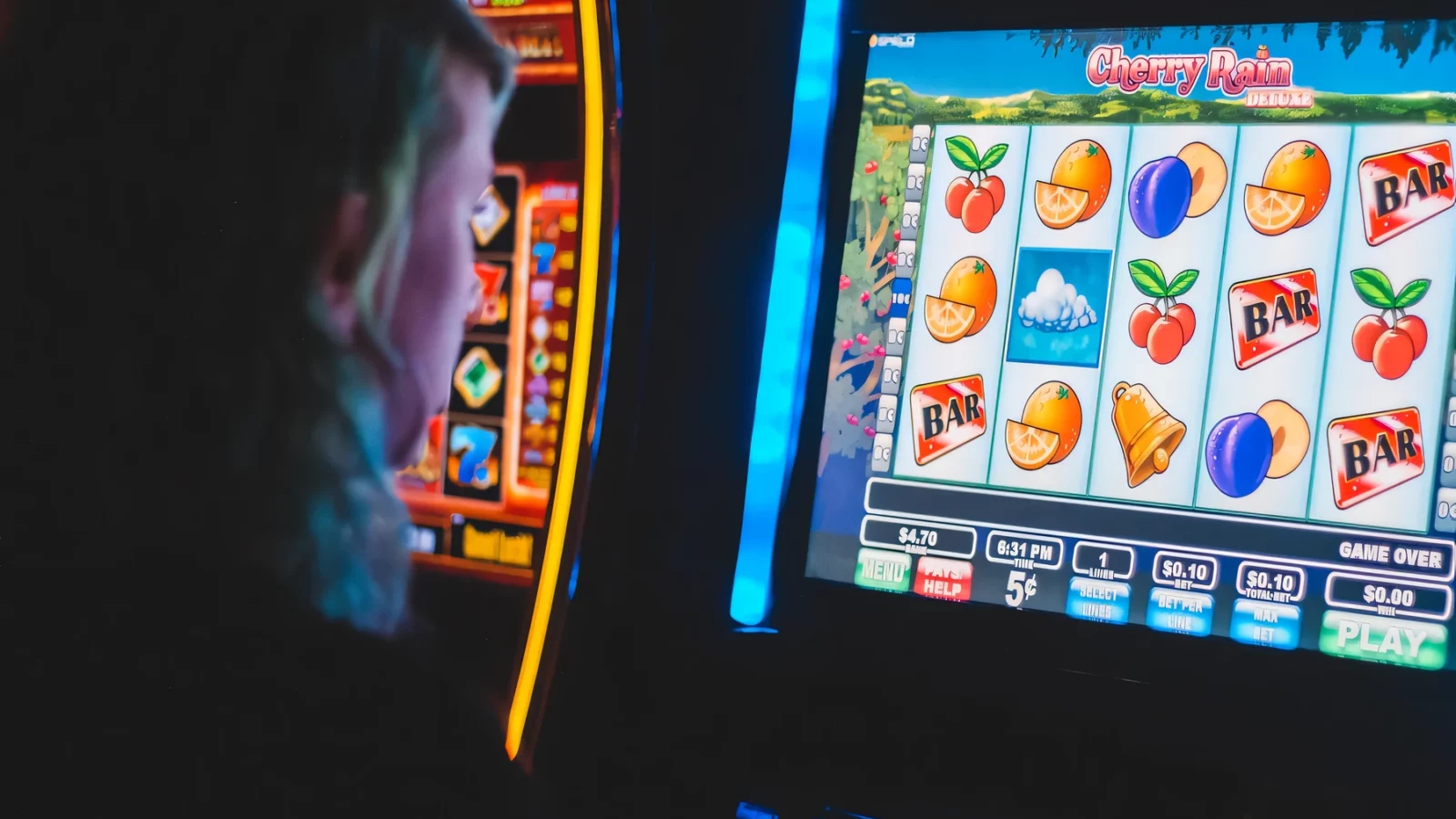
Progressive slots usually tie their top prize to a qualifying bet. On some games, a player needs a minimum stake. On others, the jackpot only opens at a higher level, sometimes even max bet. A promotional package can sidestep that by setting each spin at a fixed low value, often R1 or R2, even when the game itself normally asks for more.
That fixed value is the first thing to inspect on a 50-spin reward. If the promotion says the spins are locked to a low stake, the jackpot meter may still sit on the screen, but the spins may not be feeding it. The display can look active while the prize is already out of reach.
A second red flag is the game mode. Some offers load a version of the slot that resembles the real thing but runs without the progressive feature enabled. The reels and symbols stay familiar, the jackpot art can remain visible, yet the promotion is running on a fenced-off setup that does not allow the top prize to trigger.
What to check before you spin
A 50-spin offer on a progressive title needs a quick eligibility scan before you touch the reels.
Check the spin value
If the spins are priced at the bottom of the scale, ask whether that amount qualifies for the jackpot at all. Many progressive slots use a higher bet ladder for the top prize. The promotion can look generous while still being too cheap to count.
Check the paylines
Promotions often unlock every line, which creates the impression of full access. This does not guarantee jackpot eligibility. If the spin value is tiny, the total wager can still sit below the threshold, even with all lines open.
Check the maximum win
This one kills the fantasy fast. Some free spin deals cap the entire session at a fixed amount, such as R1,000 or R5,000. Once a cap like that appears, a multi-million rand jackpot is not part of the offer, no matter how pretty the meter looks.
Check how the winnings are paid
Promotional spins often pay into bonus balance instead of straight cash. That usually brings wagering rules with it, and sometimes a conversion limit too. A genuine jackpot from qualifying paid play is normally a cash win, not a bonus balance tucked behind rollover.
Promotional spins are not the same as bonus rounds
This is where players get caught. “Free spins” can mean two very different things.
Operator-funded free spins are the casino’s marketing tool. They are handed out as a promotion, capped for cost control, and commonly surrounded by exclusions. In-game free-spin rounds are built into the slot itself. They are triggered by symbols during a normal paid spin, and they usually inherit the jackpot eligibility of that qualifying wager.
A simple example makes the split obvious. If a casino gives 50 free spins on Mega Moolah and the terms say jackpot access is excluded, those spins are just a promotional package on a progressive title. If a player instead lands the bonus feature during a R25 paid spin on Mega Moolah, the resulting free-spin round is part of the live game flow and can still sit inside the jackpot structure, provided the original bet met the rules.
The same logic applies across other progressive titles, including games such as Divine Fortune and Age of the Gods. The bonus feature inside the game belongs to the machine. The bonus handed out by the operator belongs to the promotion.
Why operators draw the line
The reason is blunt. Progressive jackpots are funded by real-money action across the network. If a casino let free promotional spins claim the same jackpot without a qualifying stake, it would be handing out the biggest prize in the game without receiving the money that builds it.
That would be a terrible deal for the operator and a strange one for the player who paid into the pool. The promotion gets boxed in. The casino can still offer 50 spins, still show the flashy meter, and still sell the dream, but it limits the risk by removing jackpot access, trimming the payout ceiling, or paying the result as bonus funds instead of cash.
The result is a very specific kind of disappointment. The offer feels close to the real thing because the screen says progressive, the prize number keeps climbing, and the game itself looks untouched. Then the small print reveals the truth. The million-rand prize was never in play.
The eligibility block that clears the fog
Before trusting any free-spin offer on a progressive slot, separate the four cases:
- Paid spins that meet the jackpot stake requirement
- Promotional free spins from the operator
- In-game free-spin features triggered by a qualifying paid spin
- Demo play, which has no real prize claim at all
Only one of those categories guarantees nothing about the jackpot by appearance alone. The screen can look identical across all four, which is exactly why the terms matter more than the animation.
The fastest way to avoid a bad surprise
Read the promotion rules, not the marketing banner. Look for phrases about jackpot eligibility, removed jackpot contribution, excluded features, maximum win, and payout type. If the offer does not say the progressive is live, assume it is fenced off until you prove otherwise.
A 50-spin reward can still be useful. It can land a decent line hit, unlock a bonus round, or turn into real value inside a capped promotion. What it cannot do, unless the terms say so plainly, is automatically hand you the top of the jackpot ladder just because the same slot is on the screen.